Use the Beginner Guide if this is your first session. Use Progression, Checkpoints, Skill Tree, Gem Farming, and Phone Ending pages once your current blocker is clearer.
Guide Categories
| Category | Articles | Focus |
|---|---|---|
| General | 4+ | Beginner tips & basics |
| Progression | 3+ | Upgrade paths & depth strategy |
| Strategy | 3+ | Optimization & efficiency |
| Economy | 2+ | Currency management |
Quick Guide
Players need one clean Guides hub that shows what to read first, what to use for progression, and which guide opens when a specific system becomes the blocker.
- Start with Beginner Guide when you do not know what the first bucket loop is trying to teach you.
- Use Complete Walkthrough or Progression Guide when you need a broader route from early play toward the phone.
- Use Ancient Bucket, Gem Farming, and Idle & Automation only after the basic loop and currencies make sense.
- Use Depth & Checkpoints and Phone Ending when deeper routes become your current blocker.
Choose the Drain the Lake guide by player problem
Start from the guide title that matches your current blocker. Each route below opens one of the Guides menu articles directly.
- Need the Ancient Bucket path: Drain the Lake Ancient Bucket Overview — Unlock Requirements & Quick Reference
- Want passive progress: Drain the Lake Idle & Automation Guide — Passive Token Income Strategy
- I just joined: Drain the Lake Beginner Guide — How to Play & Progress Fast
- I want one route from start to phone: Drain the Lake Complete Walkthrough — Step by Step from Start to Phone
- I am stuck at depth: Drain the Lake Depth & Checkpoints Guide — When to Push Deeper
- I need Gems: Drain the Lake Gem Farming Tips — Quick Strategy Overview for Beginners
- I am chasing the phone: Drain the Lake Phone Ending — Strategy Overview and Quick Path Guide
- I want the full route order: Drain the Lake Progression Guide — From Noob to Pro
Why Drain the Lake guides stay separate
Each child page solves one player problem and keeps its own quick guide, source status, table, FAQ, and update check. This avoids thin duplicate pages and makes updates easier to verify.
Drain the Lake Guides FAQ
Where should I start in Drain the Lake?
Start with the Beginner Guide if you are new, then use Updates and Checkpoints once you understand the bucket loop.
Why are the guide pages separate?
Separate pages make each answer clearer, easier to update, and less likely to repeat the same generic text.
Guides article map
This Guides article map points you to the exact page for your next question, instead of making you read the whole hub first.
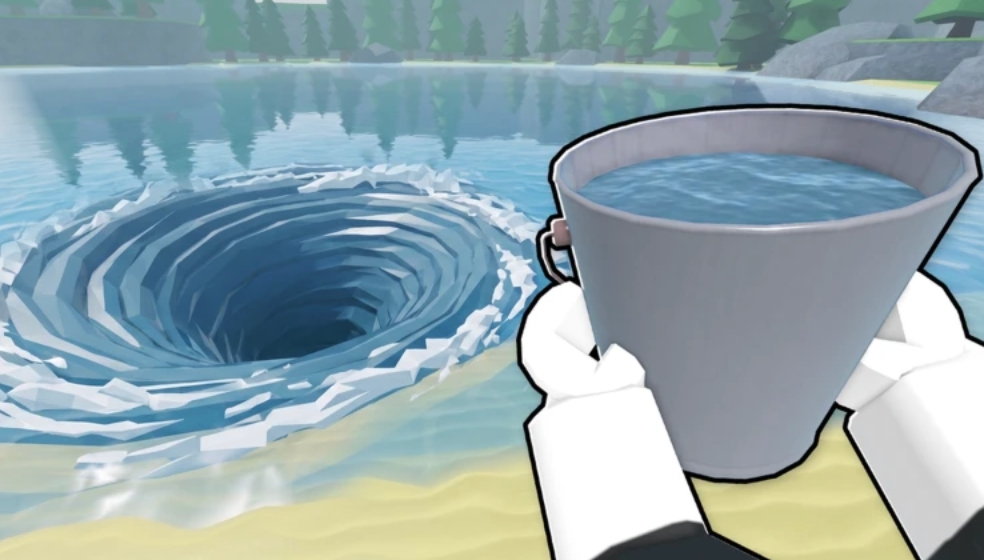 Drain the Lake Ancient Bucket Overview — Unlock Requirements & Quick Reference
Use this before chasing the Legendary Ancient Bucket so requirements, badge links, group rules, and currency needs stay clearly marked.
Check unlock path ->Drain the Lake Idle & Automation Guide — Passive Token Income StrategyPlan passive progress only after the normal drain loop works, then verify automation nodes before spending into niche paths.
Plan idle route ->Drain the Lake Beginner Guide — How to Play & Progress FastStart here for the first bucket loop, early upgrade logic, common mistakes, and the safest next page after your first run.
Start learning ->Drain the Lake Complete Walkthrough — Step by Step from Start to PhoneFollow the broad route order from your first drain through upgrades, currencies, checkpoints, and the phone ending.
Follow route ->Drain the Lake Depth & Checkpoints Guide — When to Push DeeperUse checkpoint notes when depth gates, route blockers, or phone-ending progress becomes unclear.
Push deeper ->Drain the Lake Gem Farming Tips — Quick Strategy Overview for BeginnersCompare Gem sources like badges, chests, boxes, and updates before grinding a route that still needs proof.
Farm smarter ->Drain the Lake Phone Ending — Strategy Overview and Quick Path GuideUse this when the phone ending becomes your current goal and you need route, checkpoint, and badge claims separated.
Chase ending ->Drain the Lake Progression Guide — From Noob to ProUse the player journey order to move from first loop to upgrades, currencies, buckets, checkpoints, badges, and endings.
Build route ->Ready to choose the right Drain the Lake guide?
Start with the beginner guide if you are new, or open the progression route when you already know your current blocker.
Sources & Data References
This hub is built from public game data, player videos, search results, competitor wiki review, and manual gameplay checks. Exact mechanics stay unconfirmed until an official source or in-game review supports them.
Used for the game identity, developer name, public stats, update timestamp, badges, and official play destination.
Used to spot beginner confusion, update coverage, route claims, hard-mode mentions, and topics that need written guide support.
Used to compare page structure, guide gaps, title patterns, content depth, FAQ coverage, and player-facing layouts.
Used to decide which source paths are safe to mention and which links should stay pending until the exact official URL is confirmed.
Used to judge whether a page solves a real player problem, whether a guide feels useful, and whether a claim needs another check.